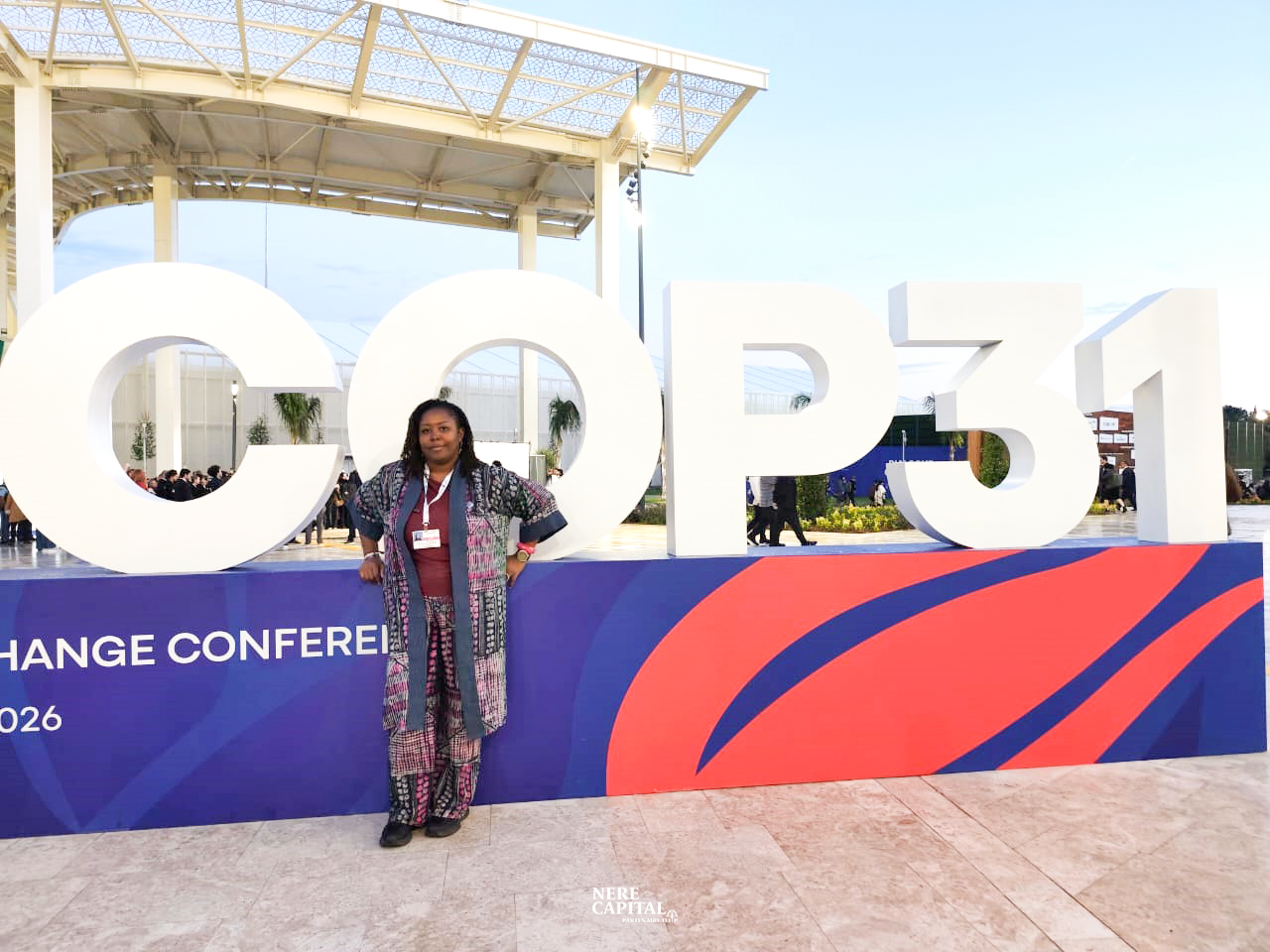
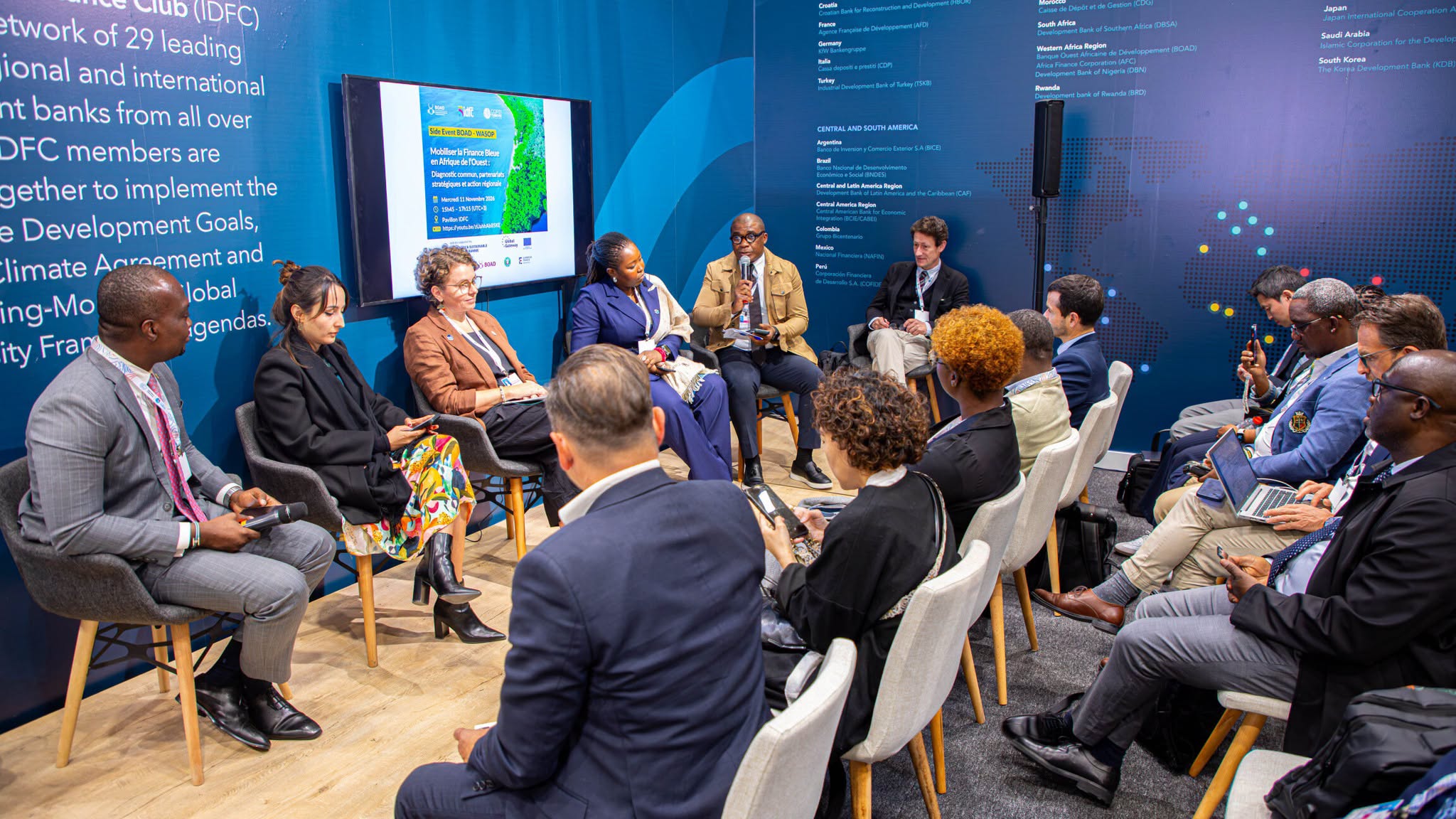
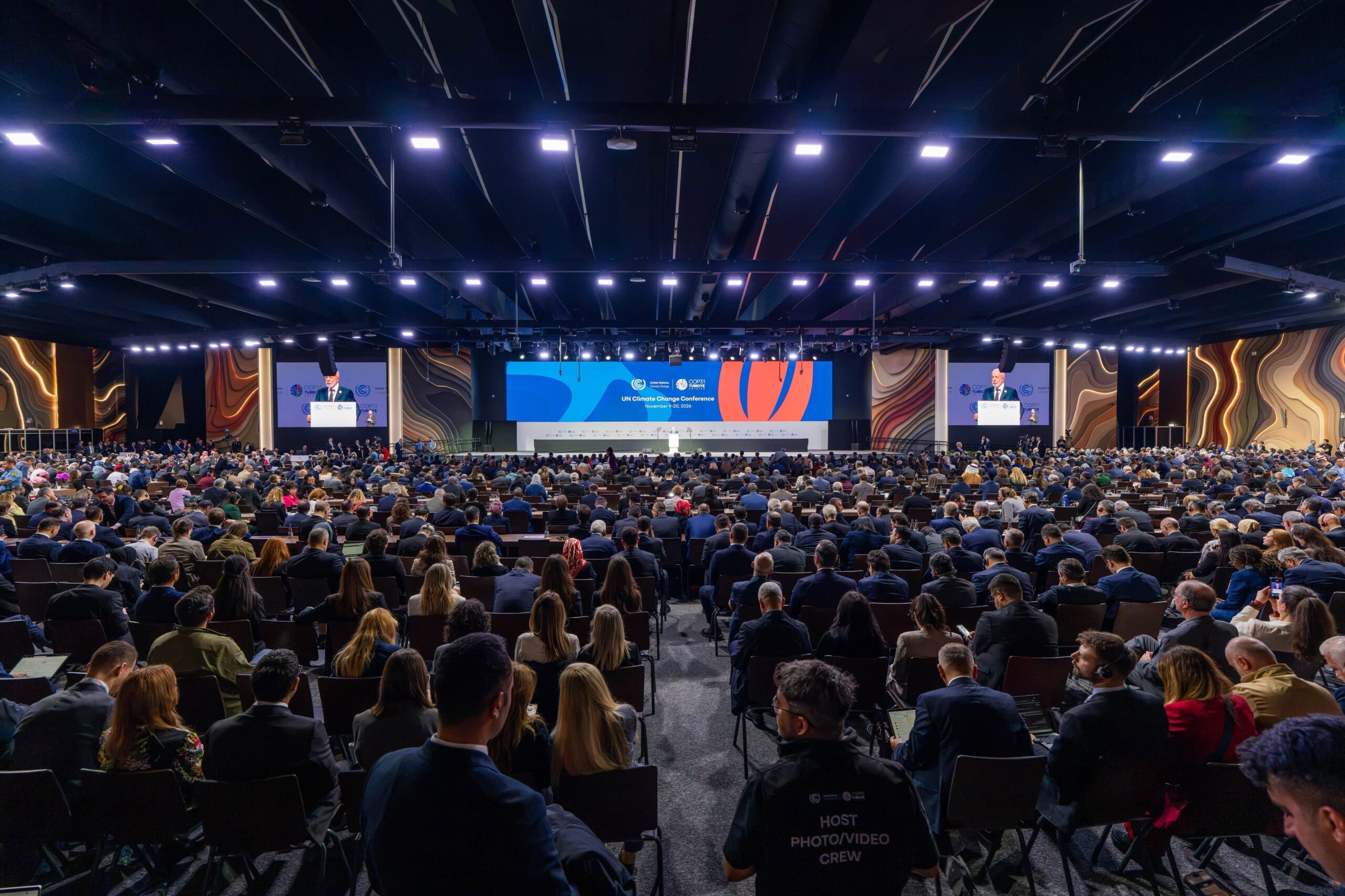
Antalya, 11 November 2026. We took part in the 31st United Nations Climate Change Conference (COP 31) in Antalya, Turkey. On this occasion, we shared our experience of financing African SMEs during a panel dedicated to blue finance in West Africa. Represented by Alida Ouédraogo, our Seed Stage Manager, we defended the following conviction: risk exists in African markets, but it can be understood, anticipated and managed.
This event was part of a side event led by the West African Development Bank (BOAD), with the support of the West Africa Sustainable Ocean Programme (WASOP), on the theme: “Mobilising blue finance in West Africa: shared diagnosis, strategic partnerships and regional action”.
Beyond the specific challenges of the blue economy, this meeting gave us the opportunity to share the lessons learned from a decade of supporting businesses and to offer our perspective on the conditions needed to develop investment in Africa.
Three criteria guiding our investment decisions
Investing in markets where reliable data is sometimes lacking requires a rigorous analytical method. At Néré Capital, our investment decisions rest on three complementary dimensions.
The first concerns the promoter. We pay particular attention to the entrepreneur’s commitment, their vision and their ability to turn it into reality. “Our first investment is the promoter,” reminds Alida Ouédraogo.
The second concerns the viability of the project. Is there genuine demand? Is the business model sound? Does the company have growth potential?
Finally, the third criterion concerns impact. As an impact investment fund, we ensure that the activities we finance produce positive effects on society and the environment, with measurable results.
This approach is also reflected in the financing instruments we favour, notably zero-interest repayable financing. An orientation aimed at strengthening the viability of the businesses we support and their capacity to sustain their activities.
African risk: between perception and reality on the ground
In our discussions with development finance institutions and international investors, one concern comes up regularly: the risk associated with African markets. Country risk, political instability and security challenges are all factors that fuel investors’ reservations.
Without denying the existence of these constraints, we believe that taking them into account should not lead to a systematically unfavourable assessment of investment opportunities.
For us, market knowledge is a decisive element in managing risk. It is built through our presence on the ground, our analysis of companies, the monitoring of financed activities and our understanding of their economic environments. “We have well-trained technical teams, we know the market, we understand our market. We are able to manage this risk,” stressed our Seed Stage Manager.
This proximity enables us to better assess promoters’ capabilities, identify the difficulties specific to each business and adapt our support to the realities encountered.
It is in this spirit that we intend to contribute to the development of impact investing in West Africa: bringing capital closer to businesses, mobilising local expertise and building solutions tailored to the needs of our economies.
Investing in Africa, beyond perceptions
At the end of her address, Alida Ouédraogo issued a call to investors and financial partners: not to let general perceptions of risk overshadow real opportunities.
“It would be a real shame to miss opportunities just because we see risk from afar, without taking the time to analyse it. A known risk is a managed risk.”
This conviction sums up the position we defended at COP 31. For us, the development of financing for African businesses, particularly in promising sectors such as the blue economy, depends on a better understanding of the markets, rigorous project analysis and confidence built on field experience.
Watch the highlights of Alida Ouédraogo’s address in video.